Best Seller


Read Our Latest Technical Reviews
Each year, we put our inventory through the paces of real-world field testing. See how each camera stacks up and who comes out on top.
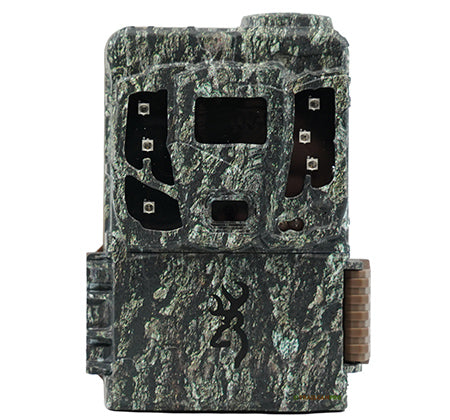
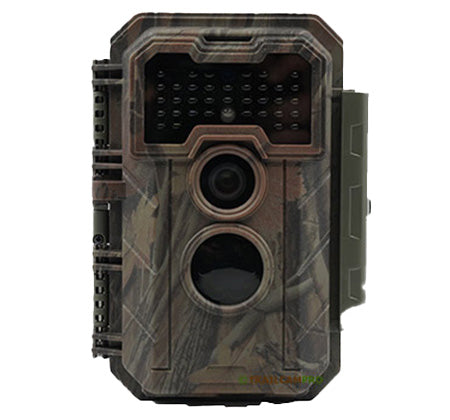
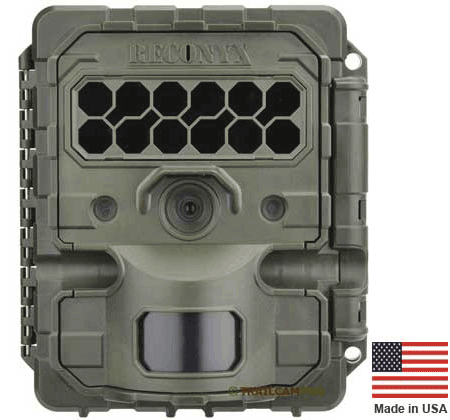
In Stock Trail Cameras


Cellular Trail Cameras


Security Trail Cameras


Shop By Brand






The Trailcampro Advantage
We test trail and game cameras, publish game camera reviews and sell only the most reliable wildlife cameras, trail cameras, and game cameras available. It's what we do and it's all we do.
While trail cameras are just one of hundreds of categories offered at other stores, game cameras and trail cameras are the only category at Trailcampro. Our game camera experts dedicate 100% of their time to objective tests and trail camera reviews to help you find the best trail camera. With the emergence of wireless trail cameras, and cellular trail cameras we have now created an entire category dedicated to cellular game cameras.
Trail cameras that send pictures to your phone offer tremendous advantages, but also create several additional criteria to evaluate their performance. Battery life and transmission speed are just two of the factors distinguishing the best cellular trail game camera from a mediocre cellular trail cam. Rest assured, at Trailcampro we objectively test and evaluate everything imaginable.

Popular Trail Game Camera Questions
Trailcam Buying Guides
Trailcampro's Favorite Trail Cameras
What should you look for when searching for your next hunting camera? The best trail cameras first and foremost take great pictures. Next, you'll want to look for a game trail camera which does an excellent job of detecting animals. Photo quality doesn't come into play if your deer camera never triggers. Additionally, battery life is critical. Every one of our trail camera reviews provides sample photos, precise detection data & lists the number of days game cameras will last in the field.
Why get your next Trail Camera or Game Camera from us:
A note of caution – Please be wary of game cameras on sale or places advertising the cheapest trail camera. Oftentimes these items are several years old and have known issues. When you purchase a game camera at Trailcampro we'll back it up with our 90-Day Return Policy, 2-Year Warranty and live customer support. We guarantee you’ll love your new trail camera or we’ll buy it back. Additionally, all standard game camera purchases receive free shipping over $99 USA.
Purchase your next trail or game camera with us and receive the following perks:
- We only sell what we know works–we’ve tested over 3800 game and trail cameras since 2005 and are experts in the field–in fact, we test prototypes for all the top manufacturers.
- 90-Day Return Policy–put our trail cameras to work for a full 90-days. Love it, or return it free for a 100% refund.
- 2-Year, In-house Warranty–we double all 1-year manufacturer warranty’s and take care of everything for you. No waiting on hold with the manufacturer.
- Expert support - you can call (without talking to a computer) and speak to someone who has a genuine and deep understanding of every camera we sell.